


![[매장판] ZEBRA-Jr. (053)](http://spopl.homefree.kr/data/item/1320634165/thumb-1320634165_l2_100x75.jpg)


![[日本] 酒楽 후드 자켓 / 블랙](http://spopl.homefree.kr/data/item/1265023444/thumb-1265023444_l2_100x75.jpg)






How to Fix Delayed Tooth Movement
페이지 정보
작성자 Vernon Marcum 작성일작성일26-01-28 06:34 조회4회 댓글0건 평점
관련링크
본문
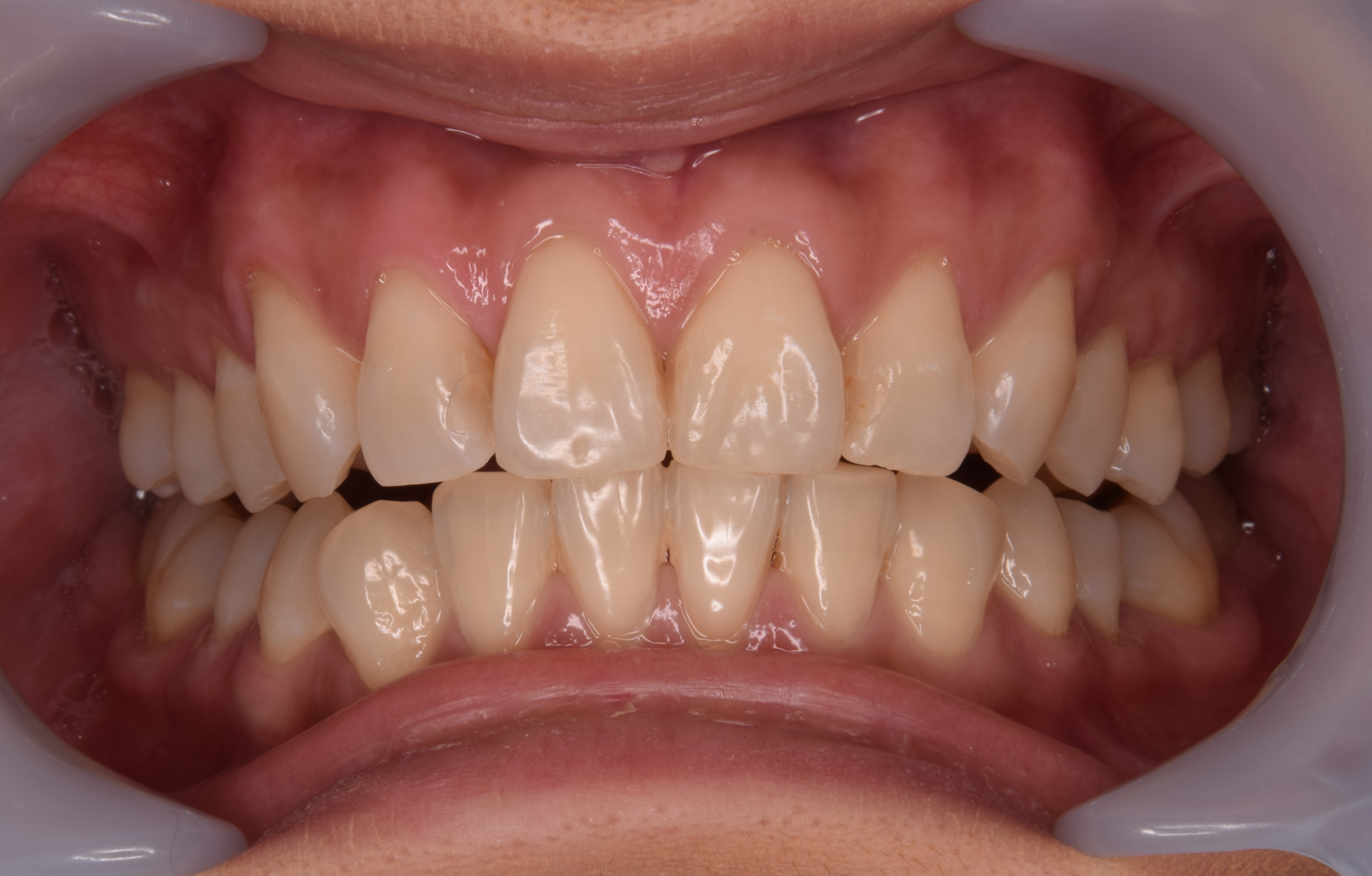
Delayed tooth movement can be deeply frustrating—especially when you’re diligently following your orthodontic treatment and still don’t see the results you hoped for. It’s crucial to remember that dental realignment relies on complex biological mechanisms that varies widely from person to person. Several elements may contribute to sluggish movement, including bone density, biological maturity, the severity of misalignment, and even your immune response and wellness. If you’ve noticed progress has plateaued, the essential action is to stay patient and level-headed and avoid making any unguided changes to your devices.
One of the most common reasons for slow movement is inadequate force from your orthodontic appliances. Your dental devices require a sustained, controlled force to gradually guide teeth into alignment. If your archwires have become too loose, your trays have become ill-fitting, 東京 部分矯正 or you’re skipping your elastics, movement may come to a halt. Always adhere strictly to your orthodontist’s instructions—this means replacing your clear trays on time, wearing elastics for the full recommended duration, and steering clear of foods that can break appliances.
A key biological consideration is the condition of your periodontal structures. Osteoclasts and osteoblasts continuously reshape around your teeth to facilitate movement. However, if you suffer from gum disease, if your bone density is low, or if you have other systemic conditions, bone adaptation may be impaired. Practicing impeccable dental care is non-negotiable. Use a soft-bristled brush and fluoride toothpaste consistently, clean between your teeth without fail, and keep up with scheduled hygiene appointments. In select scenarios, your orthodontist might recommend a gum specialist to assess whether your periodontal health permits continued treatment.
Occasionally, slow movement signals a need for revision—it may be that the alignment blueprint is incomplete. Teeth in dense bone or unusual angles are harder to shift, or they’ve moved in unexpected directions. The treatment team could adjust reconfigure your braces or aligners, install mini-screws for better control, or even extend your treatment duration. If your results seem stagnant, don’t wait—schedule a checkup promptly. Frequent monitoring visits are essential to detect setbacks before they worsen.
Orthodontic progress often happens beneath the surface. Even when movement seems imperceptible, bone is still remodeling. Document your progress by taking monthly photos, and analyze subtle differences. Avoid measuring your results against others. Stay consistent with your care, communicate openly with your orthodontist, and have confidence in the process. Almost all instances of slow progress can be fixed with appropriate clinical interventions and sustained commitment to your plan.
댓글목록
등록된 댓글이 없습니다.